Polyacrylamide Flocculant: The Ultimate Solution for Water Treatment
What is Polyacrylamide Flocculant?
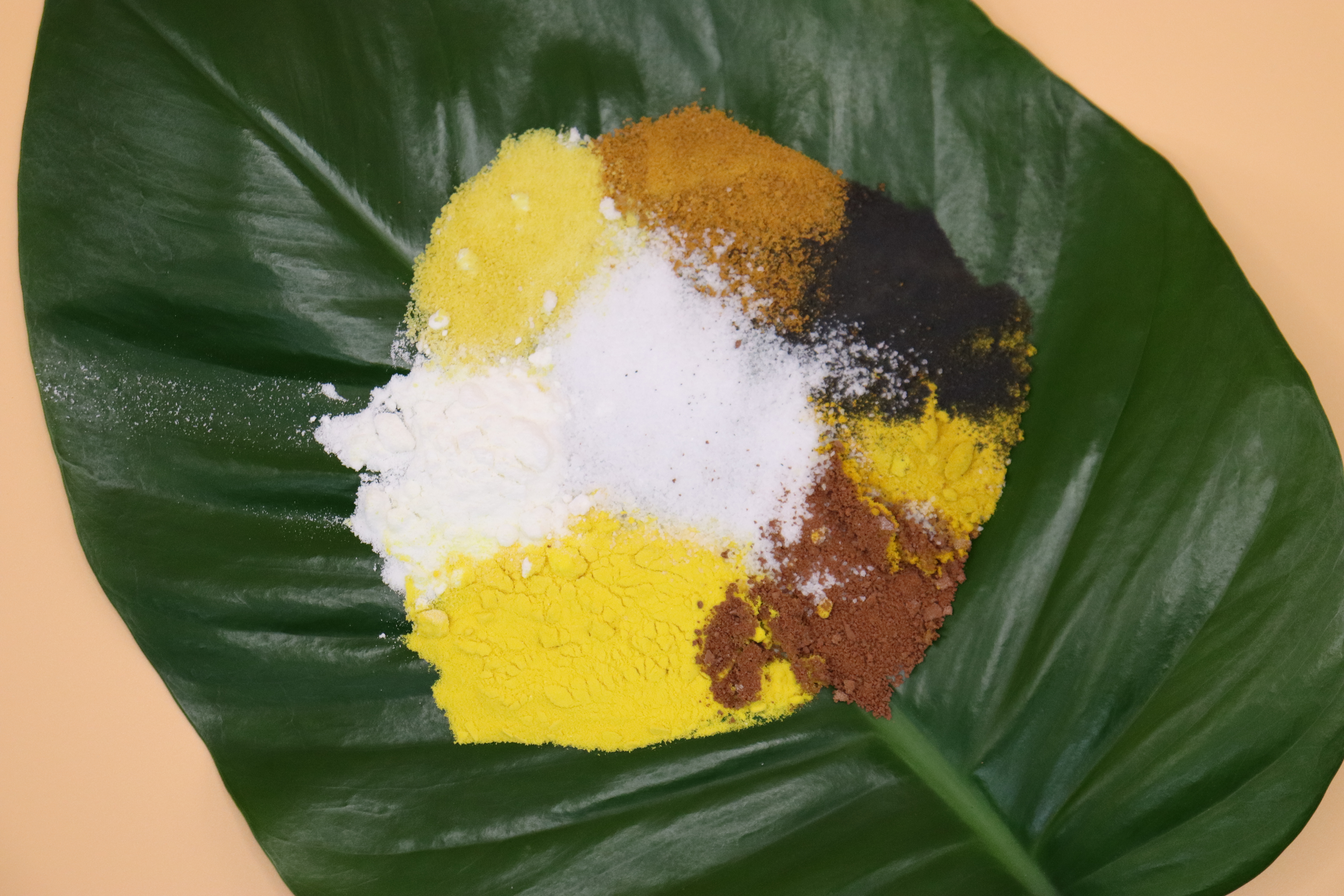
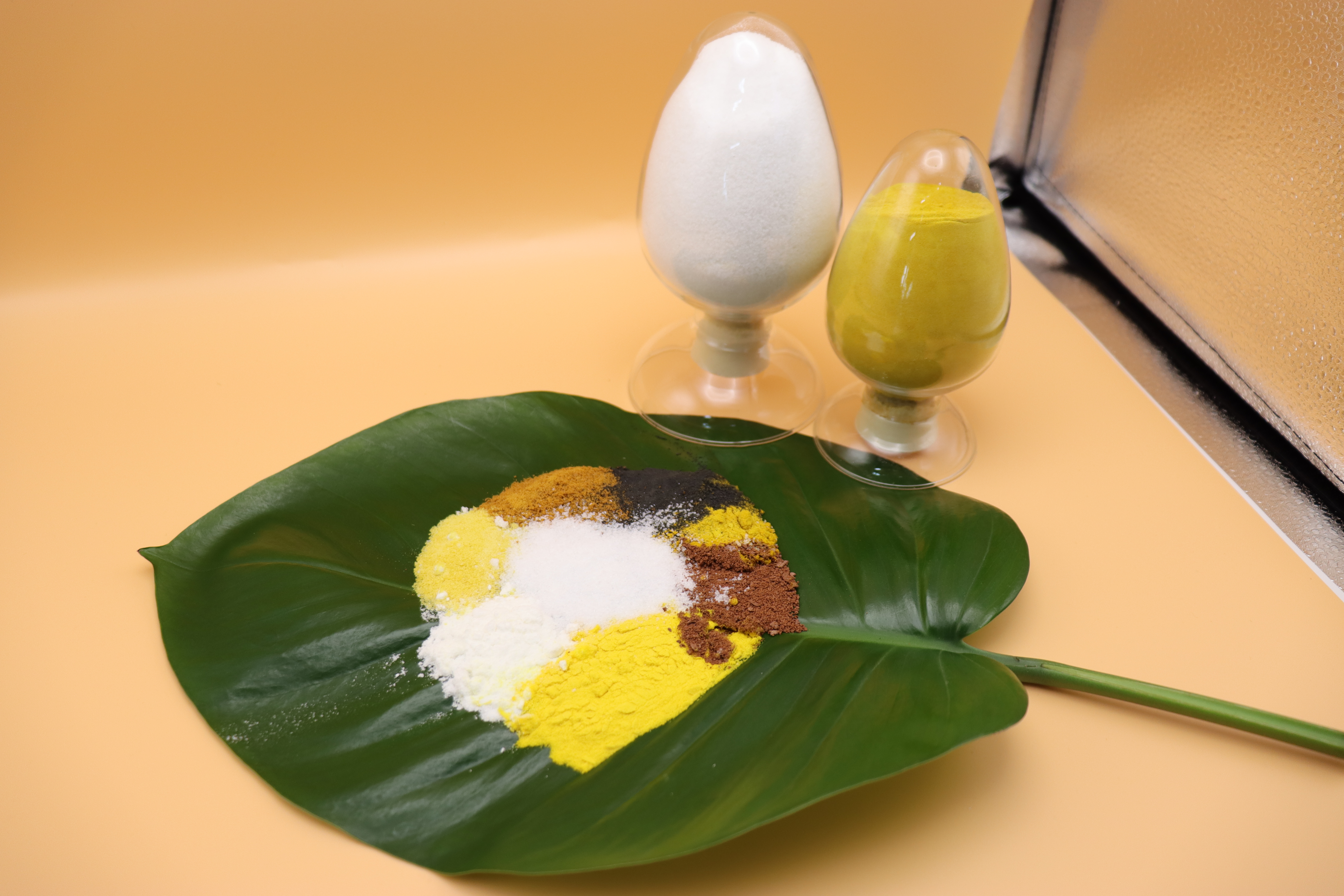
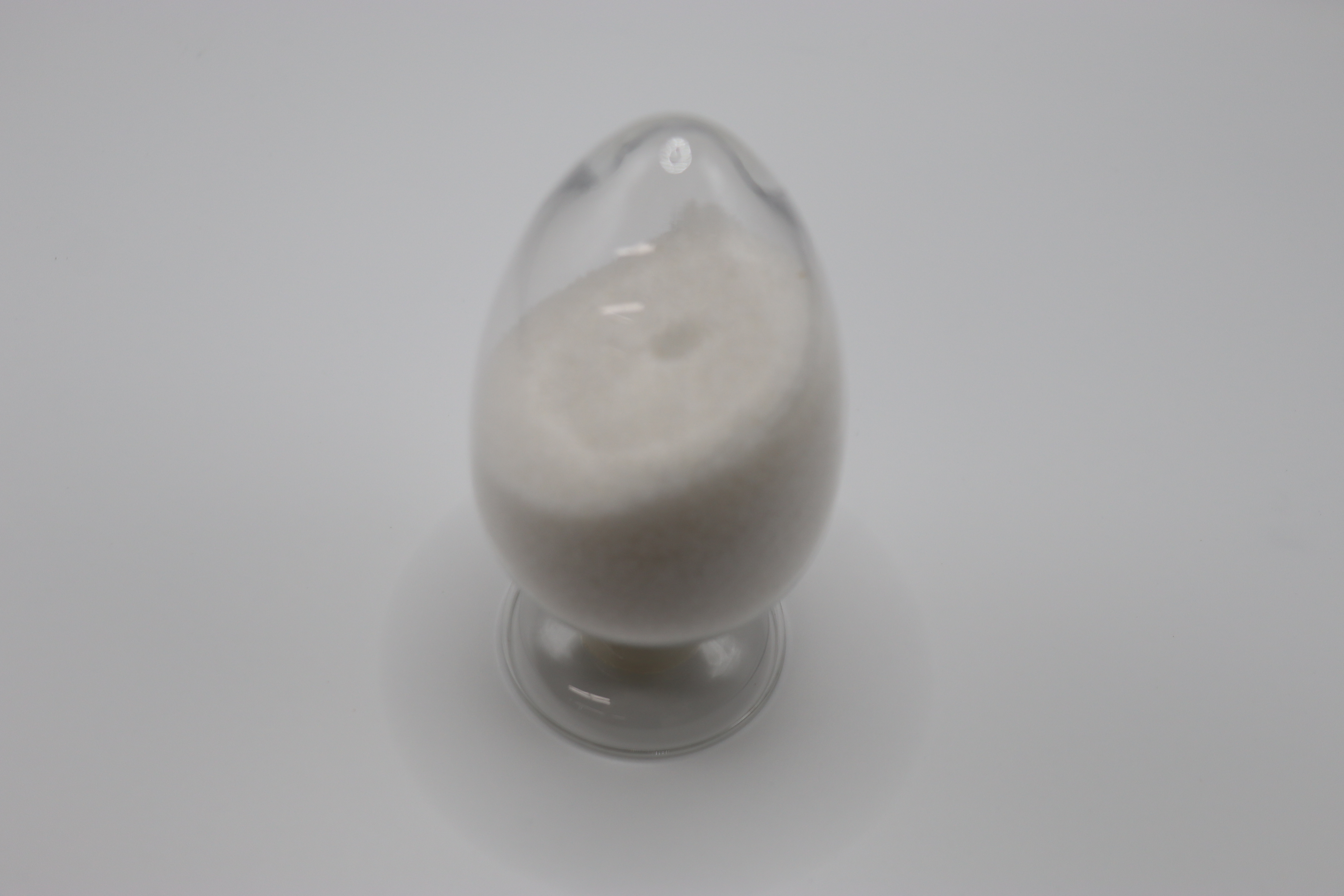
Polyacrylamide flocculant, often abbreviated as PAM, is a water-soluble polymer widely used in water treatment and various industrial processes. Its primary purpose is to enhance the efficiency of solid-liquid separation by encouraging the aggregation of suspended particles, also known as flocculation.
Why Choose Polyacrylamide Flocculants?
Polyacrylamide flocculant offers numerous benefits such as high efficiency, cost-effectiveness, and adaptability to different applications. Whether you’re dealing with wastewater treatment, mining, or paper manufacturing, PAM can significantly improve process performance.
Applications of Polyacrylamide Flocculant
This versatile polymer is used across a range of industries. Here are some of its key applications:
- Wastewater Treatment: Removes suspended solids and contaminants.
- Mining: Assists in the separation of minerals from slurry.
- Oil and Gas: Enhances oil recovery and water clarification.
- Pulp and Paper: Improves paper quality and wastewater management.
How Does Polyacrylamide Flocculant Work?
When introduced to a liquid medium, polyacrylamide flocculant bonds with suspended particles, forming flocs that are easier to separate. The polymer can be tailored to specific needs by varying its molecular weight and ionic charge, making it highly versatile.
Types of Polyacrylamide Flocculants
Polyacrylamide flocculants come in three primary forms:
- Anionic PAM: Ideal for wastewater with high levels of mineral content.
- Cationic PAM: Best for organic-rich industrial wastewater.
- Non-Ionic PAM: Suitable for neutral or acidic conditions.
Conclusion
Polyacrylamide flocculant is a powerful tool for improving water quality and optimizing industrial processes. Its versatility, efficiency, and adaptability make it a top choice across multiple industries. If you’re looking to enhance your water treatment or industrial operations, polyacrylamide flocculant is the solution you need.
About the Author